

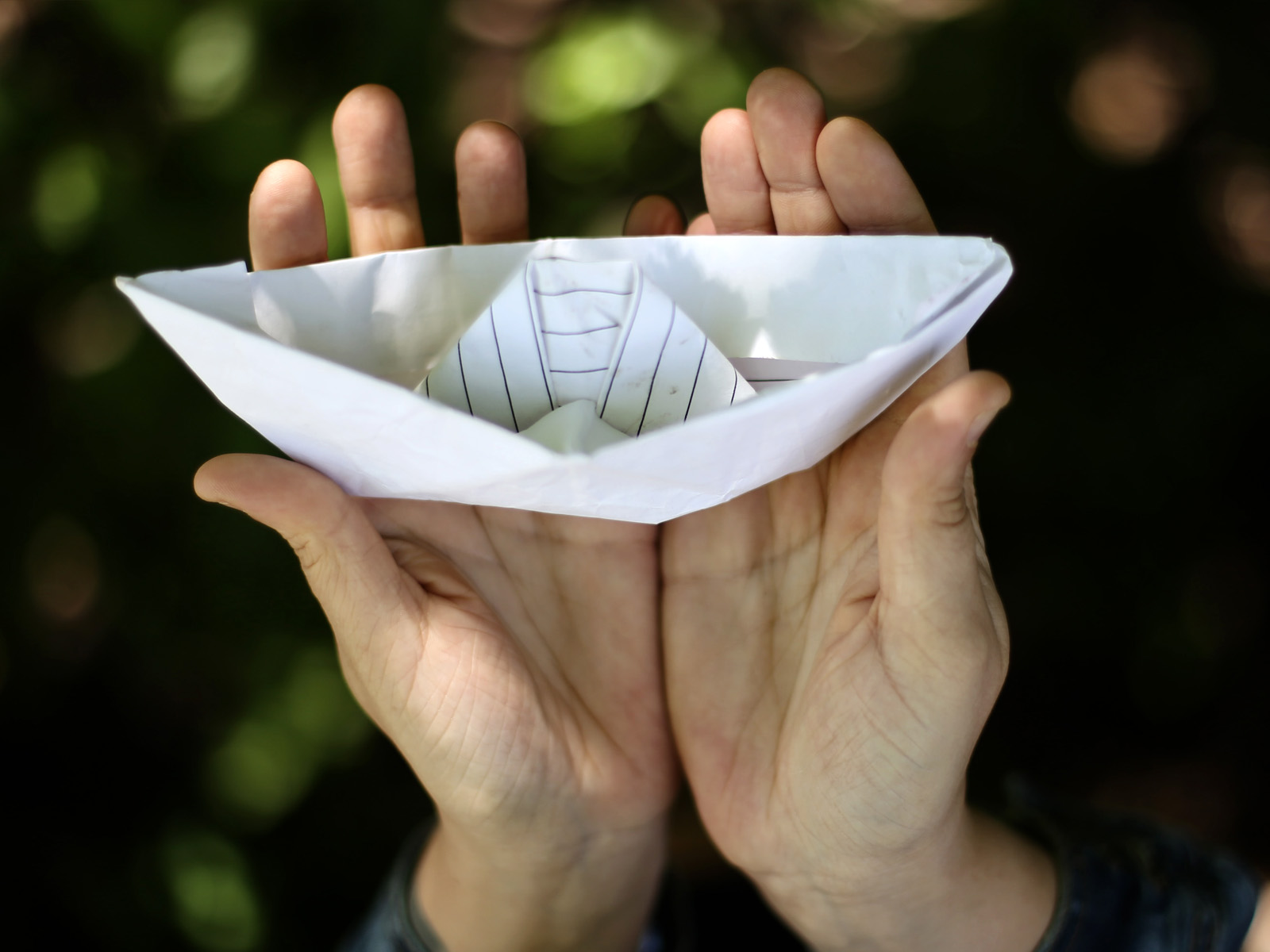
While life on the boat is becoming widespread all over the world, the number of children growing up on the boat is also increasing. Homeschooling is also being replaced by boatschooling.
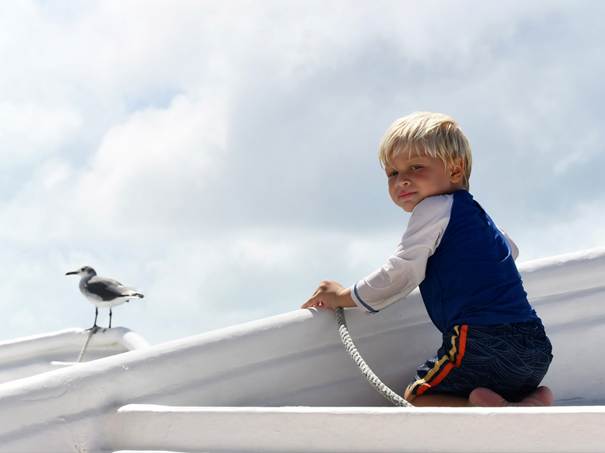
For some children, a boat is both home and school. For them, the dinghy is the school bus, the deck is the schoolyard, and the chart table is the desk. Unlike their peers, they wake up at sea, learn at sea, and are trained at sea.
A study conducted in the United States reveals that parental approval of distance education has increased dramatically over the years. When it comes to boatschooling, of course, reservations increase. The lack of space, disconnection from the internet, the limited opportunity to socialize and the difficulties that can be created by constant relocation continue to be discussed. Despite this, there are not few who argue that when necessary steps are taken, homeschooling will give better results than mainstream education.
We can list the difficulties of boatschooling as follows: Maintaining the daily routine for the child, allocating a certain space as a classroom on the boat, acquiring school materials, avoiding distractions, that everything takes longer than normal on the boat, lack of suitable environment for additional studies such as experiments, finding a teacher to take private lessons when needed. In addition, the limited opportunities to compete with other students can be considered as a deficiency for the development of the child.
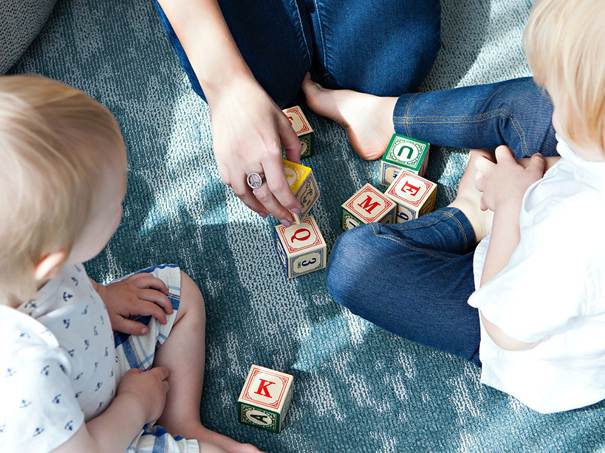
As we've completed its downsides, let's take a look at its upsides:
The pros and cons of the boatschooling are evident. The call is up to the parents indeed. But for those who make the bold choice to spend their life on a boat, the answer seems certain right off the bat.